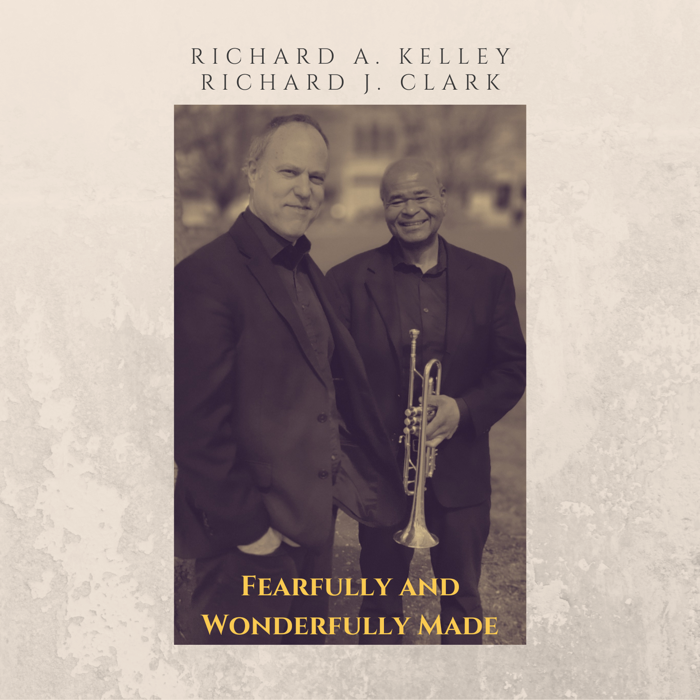
COMPOSING THESE SETTINGS has been a great blessing, helping me enter into prayer. I hope it will be of some help for you too.
To sing these texts is to journey from Christ’s Resurrection to the decent of the Holy Spirit. Although intellectually understood, it is still an emotional experience to realize HOW MANY ALLELUIAS are in all of the Easter propers! After abstaining from “Alleluias” throughout Lent, it is a blessed relief to sing “Alleluia” over and over again within these beautiful texts from scripture.
Free Download:
PDF • “Easter Season Communion Propers, Year C”
(for Schola, Organ, SATB)
To purchase hard copies: ($3.25 each)
• Includes ten settings from the Easter Vigil though Pentecost Sunday. Also included is a setting for the Seventh Sunday of Easter in those dioceses in which The Ascension of Our Lord is not transferred to Sunday.
• All are chant based.
• Can be sung with cantor or schola with organ. There is enormous opportunity for optional SATB singing, designed to offer contrast with unison singing.
• Optional congregation inserts for worship aids found after page 21
• Antiphon texts are English translations of those found in the Graduale Romanum. (You will find variation with the Communion propers found in the Roman Missal, especially during the Easter Season. A MUST READ article regarding Antiphons in the Roman Missal vs. the Roman Gradual is written by Jeff Ostrowski.)
These ten antiphons were composed within a twenty-four hour period, so hopefully there is some continuity among them. The antiphons should always be sung with forward, yet unhurried movement, and often with an air of lightness—not always in color but in spirit and energy. Even the intensity of the Pentecost antiphon should be sung with light forward motion, yet still unhurried (despite the “rush of a mighty wind”!).
Each antiphon colors the text simply and occasionally with symbolic gesture. For example, the Easter Vigil / Easter Sunday antiphon ends a half step below the tonic — unresolved and evoking the mystery of the empty tomb. The Pentecost antiphon uses a similar device, bookending this collection. Another example is found in the Sixth Sunday of Easter which utilizes an augmented fifth chord—three equal intervals representing the Trinity — the augmented fifth, symbolizing the Holy Spirit. Furthermore, on Ascension Thursday, the final chord in both the antiphon and verses are unsupported by the root, but instead by the third providing a sense of elevated motion.
Finally, for future reference, or a last minute opportunity for Palm Sunday:
Free Download:
PDF • “Twelve Communion Propers for Lent” (for Schola, Organ, SATB)
Have a blessed Holy Week!
The Ash Wednesday Collect from the Roman Missal refers to Lent as “this campaign of Christian service…” Through this campaign, Lent is marked by two themes: preparation for baptism and penance. But Lent is also a joyful season with its expectation of resurrection and as a time of healing. In the Introit for Ash Wednesday, Misereris Omnium, it is deeply significant that the very first prayer of Lent speaks of God’s infinite mercy: